Integrated cable routing and support systems for refinery process units, utility corridors, tank farms, substations, and control facilities.
Designed to manage power, instrumentation, fiber optic, and emergency shutdown cabling across hightemperature, corrosive, and hazardous refining environments while maintaining operational safety and maintenance accessibility.
Scenario Challenge
Extreme Heat Exposure Around Process Units
Refinery cable systems are frequently installed near furnaces, reactors, steam lines, and flare systems where ambient temperatures and radiant heat can accelerate cable aging and reduce tray coating lifespan.
Corrosion from Sulfur Compounds and Chemical Vapors
Hydrocarbon processing environments expose cable support systems to sulfur compounds, acidic vapors, saline air, and chemical washdown conditions that rapidly deteriorate lowgrade metallic systems.
Dense MultiService Routing in Limited Rack Space
Refineries require simultaneous routing of MV power, LV distribution, instrumentation, DCS, fiber optic, and fire alarm systems within congested pipe rack structures while maintaining EMC separation and maintenance access.
Continuous Operation Requirements During Maintenance
Most refinery facilities operate under limited shutdown windows. Cable systems must support phased expansion, retrofits, and maintenance activities without major interruption to ongoing production.
Solution Overview
Typical Refinery Cable Routing System
Tank Farm / Utility Area
        ↓
Main Pipe Rack Corridor
        ↓
Process Units & Reactor Area
        ↓
Local Instrument Shelters
        ↓
Central Control Room
        ↓
Substation / MCC Buildings
1. Tank Farm & Utility Distribution Area
Typical Requirements
- Longdistance outdoor routing
- Exposure to chemical vapors
- Expansionready cable pathways
Recommended Systems
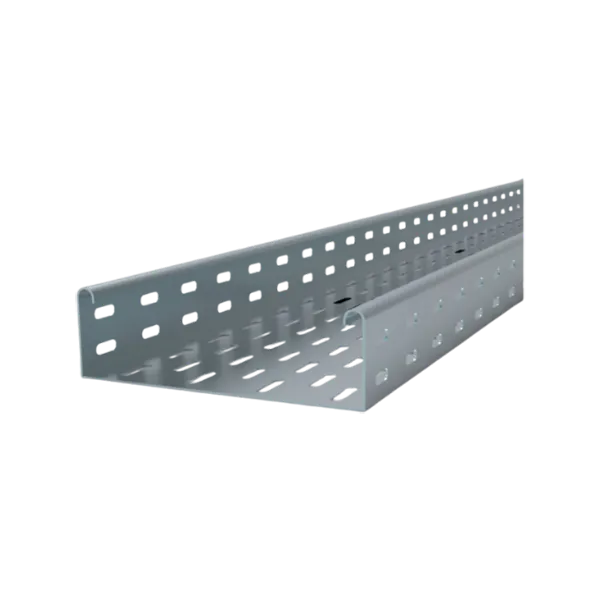
- HDG Ladder Tray
- Aluminum Cable Tray
- Outdoor Support Structures
- Engineering Selection Logic
- Aluminum systems reduce structural loading across longspan utility corridors, while HDG ladder trays provide costeffective mechanical strength for outdoor power distribution.
Key Parameters
- Span Distance: up to 6 m
- Corrosion Category: C4–C5
- Load Capacity: 75–120 kg/m
2. Main Pipe Rack Corridor
Typical Requirements
- Multitier cable segregation
- Shared structural routing
- High cable density
Recommended Systems
- MultiLevel Ladder Tray Systems
- Instrumentation Tray Layers
- Expansion Splice Assemblies
- Engineering Selection Logic
- Separate routing levels minimize electromagnetic interference between power and instrumentation circuits while maintaining future cable expansion capacity.
Key Parameters
- Segregated Power/Control Routing
- Thermal Expansion Compensation
- HeavyDuty Structural Supports
3. Process Unit & Reactor Zone
Typical Requirements
- Hightemperature exposure
- Hydrocarbon hazardous areas
- Corrosion resistance
Recommended Systems
- Stainless Steel Ladder Tray
- FRP Cable Ladder
- HeatResistant Support Systems
- Engineering Selection Logic
- SS316L systems provide longterm resistance against sulfurcontaining process atmospheres, while FRP systems eliminate corrosion risks in aggressive chemical washdown areas.
Key Parameters
- Operating Temperature Resistance
- IEC 60079 Hazardous Area Compatibility
- C5M / CX Corrosion Protection
4. Instrument Shelter & Analyzer Buildings
Typical Requirements
- Dense instrumentation routing
- Fiber optic management
- Flexible modification capability
Recommended Systems
- Wire Mesh Cable Tray
- Perforated Instrument Tray
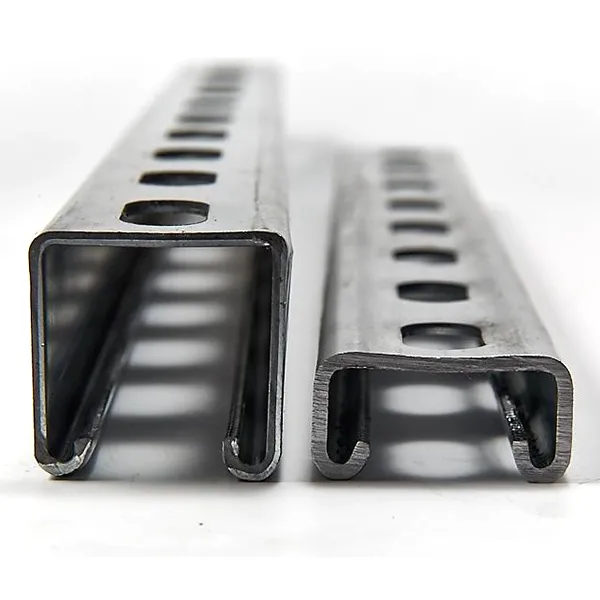
- Modular Strut Supports
- Engineering Selection Logic
- Wire mesh systems simplify field modifications and improve airflow around sensitive instrumentation and communication cables.
Key Parameters
- Fast Field Modification
- EMC Separation
- Lightweight Support Design
5. Substation & MCC Interface
Typical Requirements
- MV/LV cable transition
- Shortcircuit restraint
- Firestop integration
Recommended Systems
- Heavy Duty Power Ladder
- Cable Cleat Systems
- FireResistant Supports
- Engineering Selection Logic
- Heavyduty ladder systems maintain structural integrity during fault conditions while cable cleats provide restraint against electromechanical shortcircuit forces.
Key Parameters
- IEC 61914 Compliance
- High ShortCircuit Resistance
- Grounding Continuity
- Corrosion Protection Strategy
- Hot Dip Galvanized Systems
- Suitable for utility areas and nonprocess outdoor zones requiring economical corrosion protection.
- Duplex Coating Systems
- Recommended for coastal refineries and aggressive atmospheric exposure where extended maintenance intervals are required.
- Stainless Steel SS316L Systems
- Preferred for sulfurrich processing areas, chemical exposure zones, and washdownintensive operating environments.
- FRP Cable Support Systems
- Ideal for highly corrosive zones where nonmetallic, lightweight, and maintenancefree systems are preferred.
Related Products
| Product Type | Recommended Application | Why Recommended for Refineries | Certifications |
|---|---|---|---|
| Heavy Duty Ladder Tray | Main process unit routing | Handles large power cable loads | IEC 61537 |
| SS316 Ladder Tray | Corrosive process zones | Resists sulfur & chemical exposure | IEC / ASTM |
| Aluminum Cable Tray | Pipe rack corridors | Reduces structural dead load | IEC 61537 |
| FRP Cable Ladder | Chemical washdown areas | Non-corrosive & non-conductive | NEMA FG 1 |
| Wire Mesh Tray | Instrumentation shelters | Flexible for retrofit work | IEC / CE |
| Cable Cleats | MV cable restraint | Supports fault-current protection | IEC 61914 |
| Expansion Splice Plates | Long outdoor runs | Compensates thermal movement | IEC |
| Modular Strut Channel | Equipment-mounted routing | Simplifies maintenance expansion | ISO / ASTM |
Technical Certifications
IEC 61537
Ensures mechanical load performance and grounding continuity for cable tray systems used in industrial process facilities.
IEC 60079 Series
Required for electrical installations in hazardous refinery atmospheres containing flammable gases and vapors.
IEC 61914
Defines shortcircuit performance requirements for cable cleats used in MV power systems.
EN ISO 12944
Supports corrosion protection selection according to refinery atmospheric exposure conditions.
NEMA VE 1 / FG 1
Commonly specified in refinery EPC projects for metallic and fiberglass cable management systems.
ISO 1461
Specifies hot dip galvanizing coating quality requirements for outdoor steel structures.
Project Cases
Refinery Expansion Project — Middle East
Project Scope
Cable support infrastructure for process units, pipe racks, substations, and analyzer shelters.
Installed System
- 18 km of HDG ladder tray
- SS316 instrumentation tray systems
- Expansion splice assemblies
- Project Results
- Reduced field installation labor by 22%
- Passed hazardousarea inspections
- Supported phased commissioning without production interruption
Coastal Refinery Upgrade — Southeast Asia
Project Scope
Replacement of aging carbon steel cable support systems under severe corrosion conditions.
Installed System
- FRP cable ladders
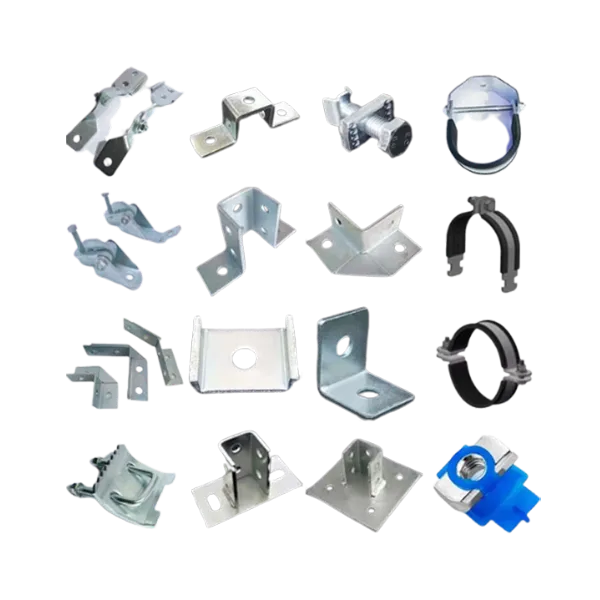
- SS316 support brackets
- Cable cleat systems for MV routing
- Project Results
- More than 14 km of tray systems upgraded
- Maintenance frequency significantly reduced
- Improved longterm corrosion resistance performance
Technical Resources
- Refinery Cable Routing Design Guide
- Hazardous Area Installation Reference
- Corrosion Protection Selection Manual
- Pipe Rack Support Design Drawings
- BIM Models for Refinery Cable Systems
- IEC / ISO Compliance Certificates
Next Step
Consult Refinery Cable System Selection
Discuss hazardousarea routing, corrosion protection, and pipe rack layout strategies with our engineering team.
Request Material Samples for Refinery Projects
Evaluate HDG, stainless steel, FRP, and aluminum systems under refinery operating conditions.
Download Refinery Technical Manual
Access tray loading data, support spacing tables, installation details, and refinery project references.