Engineered cable routing and support systems for upstream oil & gas production facilities, covering wellhead areas, gathering stations, processing skids, compressor units, utility modules, and hazardous-area power distribution networks.
Designed to support power, instrumentation, control, and communication cables under corrosive, vibration-intensive, and hazardous operating environments common in onshore and offshore upstream facilities.
Scenario Challenge
Hazardous Area Compliance in Hydrocarbon Zones
Cable support systems installed around wellheads, separators, and process skids must comply with hazardous-area installation requirements where flammable gases and vapors are continuously present. Improper material selection or grounding continuity can increase ignition risks during operation.
Severe Corrosion from H₂S, Salt Spray, and Chemical Exposure
Upstream facilities are frequently exposed to H₂S-containing atmospheres, saline environments, drilling chemicals, and produced water. Standard pre-galvanized systems often experience accelerated corrosion at cut edges and connection points.
High Vibration Around Rotating Equipment
Compressor packages, pump skids, and generator modules generate continuous mechanical vibration. Poorly supported cable routes can result in tray joint loosening, cable abrasion, and premature fatigue failure.
Complex Multi-Service Cable Segregation
Upstream sites require simultaneous routing of MV power cables, instrumentation loops, fiber optics, and emergency shutdown systems within limited rack space. Incorrect segregation may introduce electromagnetic interference and maintenance risks.
Solution Overview
Typical Upstream Facility Cable Routing Layout
Wellhead Area
    ↓
Field Junction Boxes
    ↓
Process Skid / Separator Units
    ↓
Compressor & Pump Modules
    ↓
Central Control Building
    ↓
Main Substation / MCC
1. Wellhead & Field Instrumentation Zone
Typical Requirements
- Small instrumentation cable routing
- Hazardous-area grounding continuity
- Outdoor UV and chemical resistance
Recommended Systems
- FRP Cable Ladder
- Stainless Steel Wire Mesh Tray
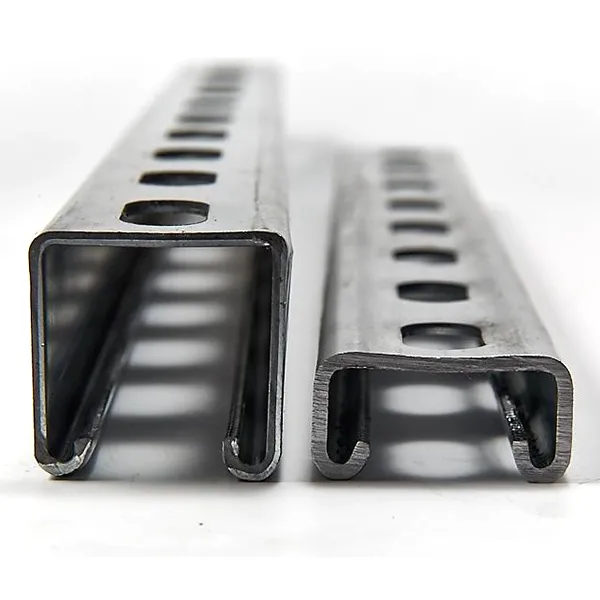
- Instrumentation Support Channel
Key Parameters
- Corrosion Class: C5-M / CX
- Material: SS316L / FRP
- Support Span: 1.5–2.0 m
Related Products
- FRP Ladder Tray
- SS316 Wire Basket Tray
- HDG Strut Channel
2. Process Skid & Separator Units
Typical Requirements
- Dense cable concentration
- Multi-layer routing
- Oil and chemical exposure
Recommended Systems
- Heavy Duty Ladder Tray
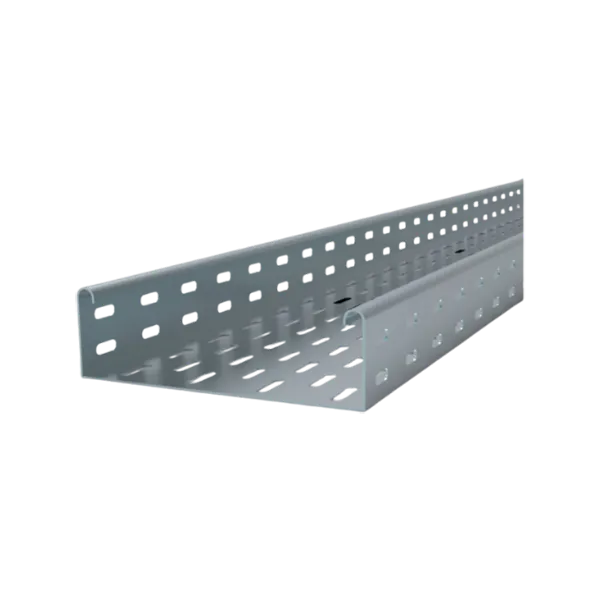
- Perforated Cable Tray
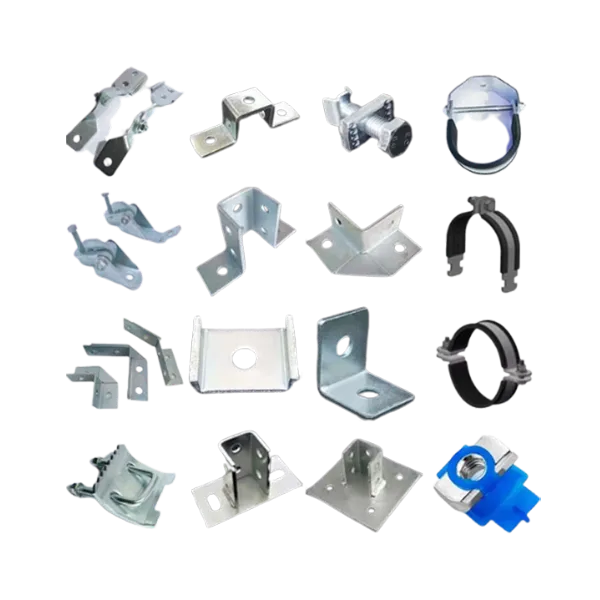
- Modular Support Frames
Key Parameters
- Load Capacity: 75–150 kg/m
- Finish: Hot Dip Galvanized / Duplex Coating
- Temperature Resistance: up to 120°C
Related Products
- HDG Ladder Tray
- Perforated Tray System
- Seismic Bracing Supports
3. Compressor & Rotating Equipment Area
Typical Requirements
- Continuous vibration resistance
- Flexible cable transition
- High mechanical strength
Recommended Systems
- Reinforced Ladder Tray
- Anti-Vibration Support Brackets
- Flexible Conduit Interfaces
Key Parameters
- Dynamic Load Resistance
- Reinforced Coupler Design
- Extra Support Frequency
Related Products
- Heavy Duty Ladder System
- Spring Support Assemblies
- Flexible Cable Protection Systems
4. Central Utility Rack & Pipe Rack Corridor
Typical Requirements
- Long-distance trunk routing
- Power/instrument segregation
- Maintenance accessibility
Recommended Systems
- Multi-Tier Cable Ladder Systems
- Aluminum Cable Tray
- Overhead Raceway Supports
Key Parameters
- Span Distance: up to 6 m
- Segregated Routing Design
- Expansion Joint Integration
Related Products
- Aluminum Ladder Tray
- Multi-Level Rack Supports
- Expansion Splice Assemblies
5. Substation & MCC Interface
Typical Requirements
- MV/LV power transition
- Firestop integration
- Grounding continuity
Recommended Systems
- Heavy Duty Power Cable Ladder
- Fire-Resistant Cable Supports
- Cable Cleat Systems
Key Parameters
- IEC 61914 Cleat Compliance
- Short-Circuit Resistance
- Fire Barrier Compatibility
Related Products
- Power Cable Ladder
- Fire Resistant Supports
- Trefoil Cable Cleats
Related Products
| Product Type | Recommended Application | Core Parameters | Certifications |
|---|---|---|---|
| Heavy Duty HDG Ladder Tray | Main trunk routing between process units | 300–900 mm width / High load capacity | IEC 61537 |
| FRP Cable Ladder | Corrosive wellhead environments | Non-conductive / UV resistant | ASTM / IEC |
| Aluminum Ladder Tray | Long-span pipe rack installations | Lightweight / Corrosion resistant | IEC 61537 |
| SS316 Wire Mesh Tray | Instrumentation & fiber optic routing | Flexible installation | IEC / RoHS |
| Perforated Cable Tray | Dense indoor process skids | Improved cable ventilation | IEC 61537 |
| Cable Cleat System | MV cable fixing near substations | Short-circuit restraint | IEC 61914 |
| Strut Channel Support | Equipment-mounted cable supports | Modular assembly | ISO / ASTM |
| Seismic & Anti-Vibration Brackets | Compressor module applications | Dynamic load resistance | ASCE / IEC |
Recommended Selection Filters
- Material:HDG Steel / Stainless Steel / FRP / Aluminum
- Installation Area:Hazardous Area / Outdoor Rack / Indoor Utility Area
- Certification:IEC / NEMA / ISO / Offshore Corrosion Grade
Technical Certifications
IEC 61537 — Cable Tray and Ladder Systems
Defines load performance, grounding continuity, and mechanical testing requirements for cable support systems. Critical for EPC acceptance and international project compliance.
IEC 61914 — Cable Cleat Systems
Specifies short-circuit testing and retention performance for power cable restraint systems used in substations and MCC interfaces.
EN ISO 12944
Defines corrosion protection categories for steel structures and coatings. Essential for selecting suitable surface treatment in offshore and H₂S environments.
IEC 60079 Series
Applicable to hazardous-area installations in explosive atmospheres. Supports compliance for upstream oil & gas electrical infrastructure.
NEMA VE 1 / FG 1
Commonly required in North American oil & gas projects for metallic and fiberglass cable tray systems.
ISO 1461
Specifies hot dip galvanizing coating quality and thickness requirements for outdoor steel cable support systems.
Project Cases
Onshore Gas Gathering Station — Central Asia
Project Scope
Integrated cable support systems for gas separation skids, compressor modules, and utility racks.
Installed System
- 4200 meters of HDG ladder tray
- Stainless steel instrumentation tray systems
- Anti-vibration support assemblies
- Project Results
- Achieved hazardous-area inspection approval
- Reduced field installation time by 18%
- Zero corrosion-related replacement during initial operation phase
Offshore Wellhead Platform Upgrade — Southeast Asia
Project Scope
Replacement of aging cable support systems under high salt-spray exposure conditions.
Installed System
- FRP cable ladders
- SS316 cable supports
- Offshore-rated fastening systems
- Project Results
- More than 11 km of cable routing upgraded
- Corrosion maintenance frequency significantly reduced
- Passed offshore coating and grounding inspections
Download
Technical Resources
- Upstream Facility Cable Routing Design Guide
- Hazardous Area Cable Support Selection Manual
- HDG vs FRP vs Stainless Steel Comparison Sheet
- Installation Drawings & Support Spacing Guide
- BIM Models for Process Facility Cable Systems
- IEC / ISO Compliance Certificates
Next Step
Consult Upstream Facility Cable Routing Selection
Discuss hazardous-area layouts, corrosion requirements, and cable segregation strategies with our engineering team.
Request Material Samples for Oil & Gas Projects
Evaluate HDG, stainless steel, aluminum, and FRP systems before project approval.
Download Upstream Facility Technical Manual
Access installation guidelines, load tables, coating specifications, and project reference configurations.