
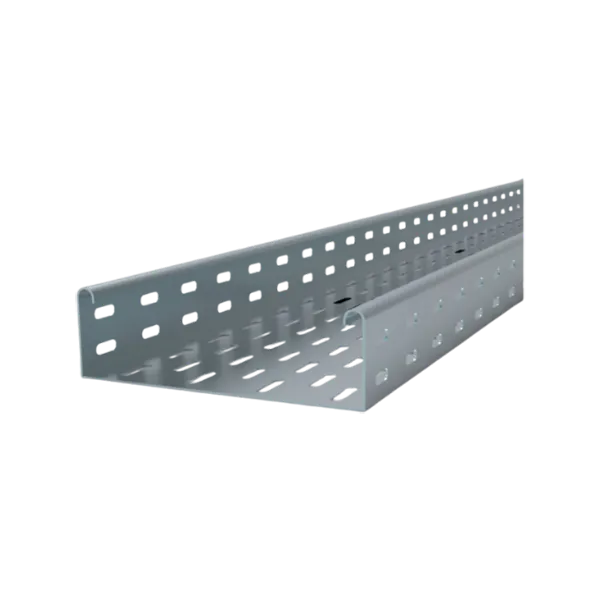
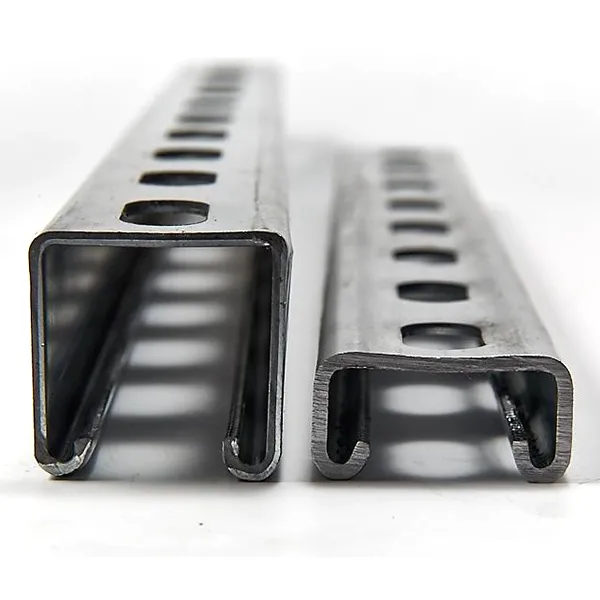
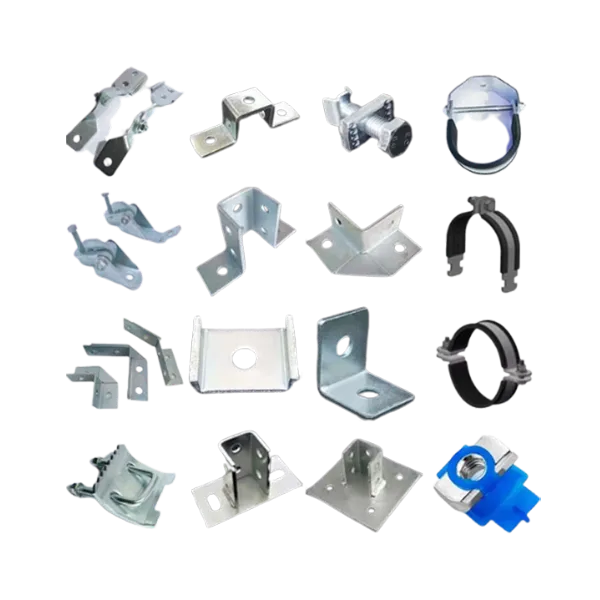
Cable containment systems designed for Battery Energy Storage Systems (BESS), covering battery containers, PCS systems, inverter skids, MV transformers, fire protection systems, and utility interconnection infrastructure.
Engineered for high cable density, thermal management, fire safety, and fast modular installation in utilityscale and commercial energy storage projects.
SCENARIO CHALLENGES — BESS Environment Challenges
High Cable Density Within Compact Equipment Layouts
BESS installations contain concentrated DC power cables, AC output cables, communication wiring, and fire protection systems within compact containerized layouts. Cable containment systems must maintain organized routing while preserving maintenance accessibility.
Thermal Management Around Battery Systems
Battery containers and PCS systems generate significant thermal loads during operation. Cable routing systems must support airflow management and prevent excessive heat accumulation around power cable infrastructure.
Fire Safety and System Segregation Requirements
BESS projects require strict separation between DC systems, AC systems, communication networks, and fire protection circuits. Cable containment systems must support fire mitigation strategies and reduce fault propagation risks.
Fast Deployment for Modular Utility Projects
Utilityscale BESS projects are highly scheduledriven and rely on prefabricated modular installation. Cable containment systems must simplify field assembly and reduce installation complexity between containers, PCS skids, and transformer systems.
SOLUTION OVERVIEW — BESS Cable Routing Structure
Typical BESS Cable Routing Layout
“`text id=”4lx9si”
Battery Containers
        │
        ▼
DC Collection System
        │
        ▼
PCS / Inverter Skid
        │
        ▼
MV Transformer
        │
        ▼
Grid Connection Substation
```
The cable containment system is organized according to DC collection, AC conversion, auxiliary systems, and utility export infrastructure to improve operational safety and installation efficiency.
1. Battery Container Internal Routing Zone
Recommended System
- Wire Mesh Cable Tray
- LowProfile Perforated Tray
Typical Application
Battery rack communication wiring, BMS systems, lowvoltage auxiliary circuits, and internal DC routing.
Key Engineering Parameters
- High cable density management
- Improved airflow and ventilation
- Flexible routing for confined equipment layouts
Recommended Products
- Fine Wire Mesh Tray
- Compact Perforated Tray
- Divider Systems
2. ContainertoPCS Connection Zone
Recommended System
- Heavy Duty Ladder Cable Tray
- Outdoor Cable Channel
Typical Application
Highcurrent DC cable routing between battery containers and PCS equipment.
Key Engineering Parameters
- High load support for large DC cables
- Outdoor environmental protection
- Simplified maintenance access
Recommended Products
- HDG Ladder Tray
- Outdoor Cable Covers
- Reinforced Support Frames
3. PCS & Inverter Platform Zone
Recommended System
- Perforated Cable Tray
- Aluminum Cable Tray
Typical Application
AC output systems, communication wiring, and control infrastructure around PCS skids.
Key Engineering Parameters
- Cable segregation support
- Ventilation for thermal management
- Lightweight support structures
Recommended Products
- Aluminum Perforated Tray
- Divider Assemblies
- Adjustable Support Brackets
4. MV Transformer & Utility Export Zone
Recommended System
- Heavy Duty Ladder Tray
- Structural Cable Support System
Typical Application
MV export cable routing toward utility substations.
Key Engineering Parameters
- Longspan support capability
- Outdoor corrosion resistance
- High mechanical load performance
Recommended Products
- HDG Ladder Tray
- Structural Support Frames
- Expansion Connection Assemblies
RECOMMENDED PRODUCTS — BESS Application Selection
Wire Mesh Cable Tray
Why Recommended
Ideal for dense lowvoltage and communication routing inside battery containers.
Key Parameters
- Open ventilation structure
- Fast field modification
- Lightweight installation
Applicable Standards
IEC 61537
Heavy Duty Ladder Cable Tray
Why Recommended
Designed for highcurrent DC and AC cable infrastructure.
Key Parameters
- High load capacity
- Suitable for largediameter power cables
- Outdoor HDG protection available
Applicable Standards
IEC 61537 / NEMA VE1
Aluminum Perforated Cable Tray
Why Recommended
Supports thermal management and organized PCS system routing.
Key Parameters
- Lightweight aluminum alloy
- Ventilated structure
- Corrosionresistant performance
Applicable Standards
IEC 61537
Outdoor Cable Channel System
Why Recommended
Provides protected lowlevel routing between modular equipment skids.
Key Parameters
- Outdoor weather protection
- Groundlevel installation compatibility
- Maintenancefriendly access
Applicable Standards
IEC 61537
Structural Cable Support System
Why Recommended
Suitable for longspan utility export infrastructure.
Key Parameters
- Structural load verification available
- HDG outdoor finish
- Utilitygrade mechanical performance
Applicable Standards
EN ISO 1461 / IEC 61537
TECHNICAL COMPLIANCE — Standards & Certifications
IEC 61537 — Cable Tray and Cable Ladder Systems
Defines load and corrosion performance requirements.
Procurement Value
Ensures structural verification for utilityscale energy storage infrastructure.
NFPA 855 — Energy Storage System Installation Standard
Defines fire protection and installation practices for energy storage systems.
Procurement Value
Supports safe cable routing and system segregation strategies.
UL 9540A — Thermal Runaway Fire Propagation Testing
Applicable to fire propagation evaluation in battery systems.
Procurement Value
Supports risk mitigation and project compliance requirements.
EN ISO 12944 — Corrosion Protection Standard
Defines environmental corrosion protection categories.
Procurement Value
Supports outdoor infrastructure durability in utility environments.
PROJECT CASES — Reference Projects
UtilityScale BESS Project — North America
Project Overview
- Capacity: 800 MWh
- Scope: Containerized battery and PCS infrastructure
Delivered Solution
- Heavy Duty Ladder Tray
- Wire Mesh Cable Tray
- Outdoor Cable Channel System
Quantified Results
- Total cable containment installation: 118 km
- Reduced field installation time by 21%
- Improved cable segregation within modular layouts
Renewable Hybrid Energy Storage Project — Australia
Project Overview
- Environment: Outdoor desert climate
- Scope: BESS and solar hybrid infrastructure
Delivered Solution
- Aluminum Perforated Tray
- HDG Structural Support Systems
- Outdoor Utility Cable Routing Infrastructure
Quantified Results
- Designed for hightemperature outdoor operation
- Reduced maintenance exposure in dusty environments
- Installed routing infrastructure: 84 km
TECHNICAL RESOURCES & NEXT STEPS
Available Technical Resources
- BESS Cable Routing Design Guide
- Containerized Layout Drawings
- Thermal Management Routing Guide
- Cable Segregation Reference Manual
- BIM Models for Energy Storage Projects
- IEC 61537 Compliance Reports
Engineering Support Options
Consult BESS Cable Containment Design
Discuss thermal management, cable segregation, and modular installation strategies.
Request Product Samples
Evaluate installation compatibility and corrosion protection performance.
Download BESS Technical Manual
Access utilityscale energy storage engineering references and technical d