
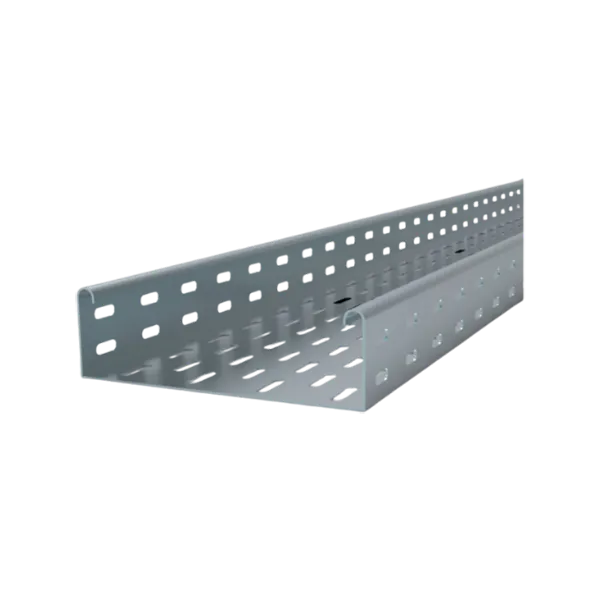
Seismic Cable Tray Support System
Engineered Seismic Bracing Solutions for Structural Stability and Code Compliance
Our seismic bracing systems are designed to protect cable tray installations from seismic forces by providing lateral and longitudinal restraint. Engineered in accordance with international standards, these systems ensure structural stability and safety in earthquake-prone regions and high-requirement projects.
What This System Solves
Protection Against Seismic Forces
In seismic zones, cable tray systems are subject to dynamic forces that can cause displacement, deformation, or failure if not properly restrained.
Seismic bracing systems are engineered to:
Resist lateral and longitudinal seismic forces
Prevent excessive movement of cable tray systems
Maintain system integrity during seismic events
Protect electrical infrastructure and ensure operational safety
Unrestrained systems may experience displacement or structural failure during seismic activity.
Typical Applications
Seismic Bracing Concept
Seismic support systems are based on controlled restraint principles, typically including:
Lateral bracing to resist side-to-side movement
Longitudinal bracing to control movement along the tray direction
Rigid anchoring systems to transfer seismic loads to the structure
These elements work together to ensure that cable tray systems remain stable under seismic conditions.
System Components & Configurations
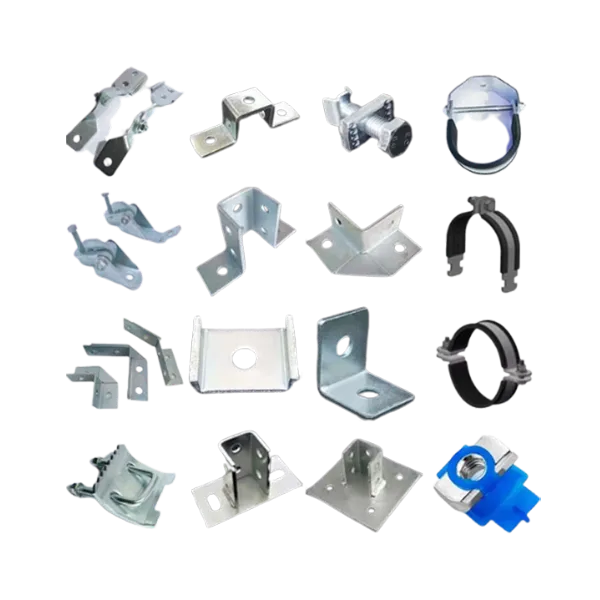
Seismic bracing systems typically include:
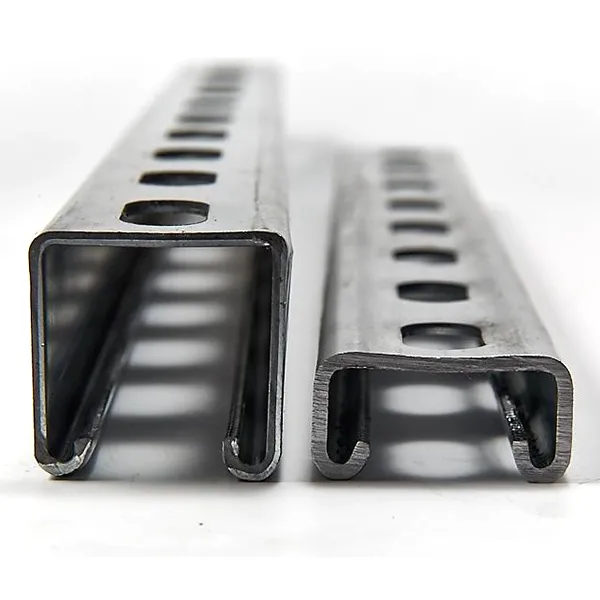
Bracing members (angles, channels, or rods)
Seismic clamps and connection fittings
Anchors and base plates
Reinforcement components for structural stability
Configurations are designed based on project-specific seismic requirements and installation conditions.
Engineering Design Features
Resistance to multi-directional seismic forces
Stable load transfer to building structure
Integration with existing support systems
Flexible configuration for different layouts
Designed for both new installations and retrofits
Seismic Design Considerations
Seismic support system design is based on:
Seismic zone classification
Project-specific seismic load requirements
Cable tray weight and load distribution
Support spacing and bracing intervals
Structural anchoring capacity
Proper design ensures that seismic forces are effectively transferred and controlled within the system.
Bracing spacing and configuration must comply with project specifications and applicable codes.
Standards & Compliance
Designed in accordance with:
IBC (International Building Code)
ASCE 7 (Minimum Design Loads for Buildings and Other Structures)
NFPA 70 (NEC)
IEC standards (where applicable)
Seismic calculations and documentation can be provided upon request.